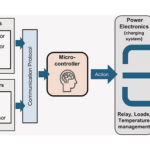
Temperature sensors in electric vehicle (EV) battery packs measure temperature only where they are mounted. Nevertheless, a battery management system (BMS) must use limited local readings to reconstruct the pack temperature field, detect developing hot spots, and drive cooling decisions that reflect cell-level conditions. This article reviews how sensor placement and density affect BMS monitoring […]
EV
How sensing technologies improve EV connector and contactor safety
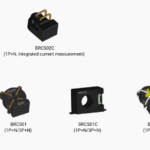
Electric vehicle (EV) connectors, contactors, and charging interfaces operate under continuous electrical stress, mechanical loading, and elevated temperatures. With battery voltages approaching 800 V and charging power exceeding 350 kW, early detection of abnormal conditions is a primary design requirement. This article outlines how EV manufacturers integrate temperature monitoring, current sensing, and fault detection into […]
Increased voltage levels and faster switching speeds influence on sensor placement and accuracy in EV systems
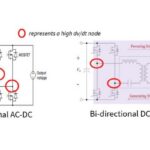
The advancements in the EV industry, such as WBG devices and 800 V systems, introduce specific technical challenges for sensor accuracy and physical placement. Higher operational voltages require more robust electromagnetic interference (EMI) filtering, while faster switching speeds generate high dv/dt and di/dt noise. This FAQ examines how these factors affect sensing integrity and provides […]
